Vegetation management and fuels reduction services create defensible space around homes in fire-prone high desert areas. These practices remove or modify flammable materials to slow wildfire spread and enhance safety for properties. Professional services support compliance with local fire codes while preserving the natural landscape. Homeowners gain peace of mind knowing their land meets standards set by fire agencies. This approach focuses on targeted clearing of brush, deadwood, and ladder fuels to mitigate ignition risks effectively.
Fuels reduction involves clearing excess vegetation to lower fire intensity and spread. This process targets dry grass, shrubs, and overcrowded trees that serve as wildfire pathways. Mechanical methods like mastication and thinning reduce fuel loads while supporting ecosystem health. Safety improves as firefighters gain better access during emergencies. Properties become more resilient to embers and ground fires common in desert regions.
Vegetation management requires assessing site-specific risks before treatment. Brush clearing and deadwood removal help prevent ladder fuels from carrying fire into tree canopies. Selective thinning promotes airflow and reduces crown fire potential. These steps align with guidance from fire safety councils and state agencies. Long-term maintenance schedules keep fuels at safer levels year-round. Homeowners benefit from reduced wildfire threats without a complete landscape overhaul.
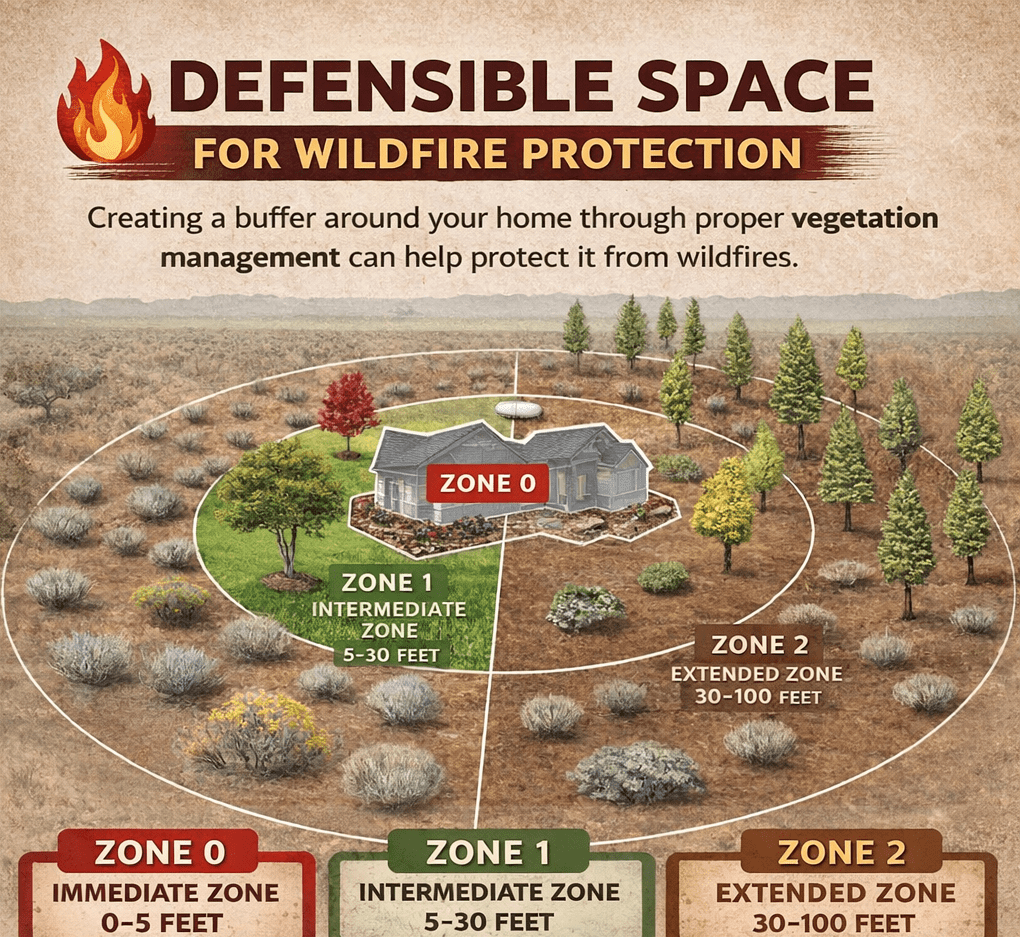
Defensible space divides property into zones with decreasing vegetation density near homes. Zone 1, within 30 feet of structures, requires lean, clean, and green conditions with minimal flammable plants. Zone 2 extends to 100 feet, focusing on ladder fuel removal and spacing trees apart. These zones provide critical buffers, allowing more time for evacuation and firefighting. Proper zoning supports CAL FIRE standards and local ordinances. Implementation involves precise measurements and vegetation adjustments tailored to desert terrain.
Professional services use specialized equipment for efficient, low-impact clearing. Certified crews follow best practices to reduce the risk of soil erosion and encourage native plant recovery. Post-treatment assessments support ongoing effectiveness and compliance. Safety for residents increases as fuel loads drop, reducing ember ignition risks on roofs and siding. Insurance providers often recognize treated properties with lower premiums. Vegetation management can also support broader landscape goals like erosion control and habitat protection.
Experience in high desert conditions supports adaptive strategies for arid fuels like chaparral and pinyon-juniper. Teams hold certifications in arboriculture and fire prevention, overseeing each project from start to finish. Work meets or exceeds county and state guidelines for defensible space. Clients receive detailed reports and maintenance plans to support long-term protection. Reliable execution helps minimize disruption to daily life on residential properties.
Projects range from small lots to large ranches, with methods scaled to terrain and fire risk. Oversight by certified arborists helps balance fire safety with tree health. Partnerships with fire agencies can provide access to grants for cost-effective treatments. Homeowners report measurable reductions in fuel volume after service. Repeat services help build long-term resilience against seasonal fire dangers.
Schedule a site visit to evaluate your property’s vegetation management needs and develop a customized fuels reduction plan. This first step supports solutions tailored to your site, with safety and compliance as the priorities.
Wildfires in high desert regions spread rapidly due to dry vegetation, high winds, and steep terrain. Dense fuels like juniper thickets and invasive grasses ignite easily, threatening homes and infrastructure. Annual drought conditions increase risk, making proactive management essential. Fuels reduction breaks continuity of burnable materials, helping keep fires closer to the ground. This supports firefighter efforts by improving access and reducing flame lengths. Local fire departments emphasize these treatments in community protection plans.
Vegetation management can also support healthier fire behavior over time, reducing the chance of catastrophic burns. Homeowners who invest often see safer living conditions and, in some cases, lower insurance costs. Mechanical thinning and brush clearing address ladder fuels common in pinyon woodlands, while ongoing maintenance helps prevent regrowth from rebuilding dangerous fuel loads. When paired with erosion control, these treatments can also help protect soil stability after vegetation work. Funding programs from state and federal sources may offset costs for eligible properties. Overall, these services support more resilient landscapes as fire seasons intensify.
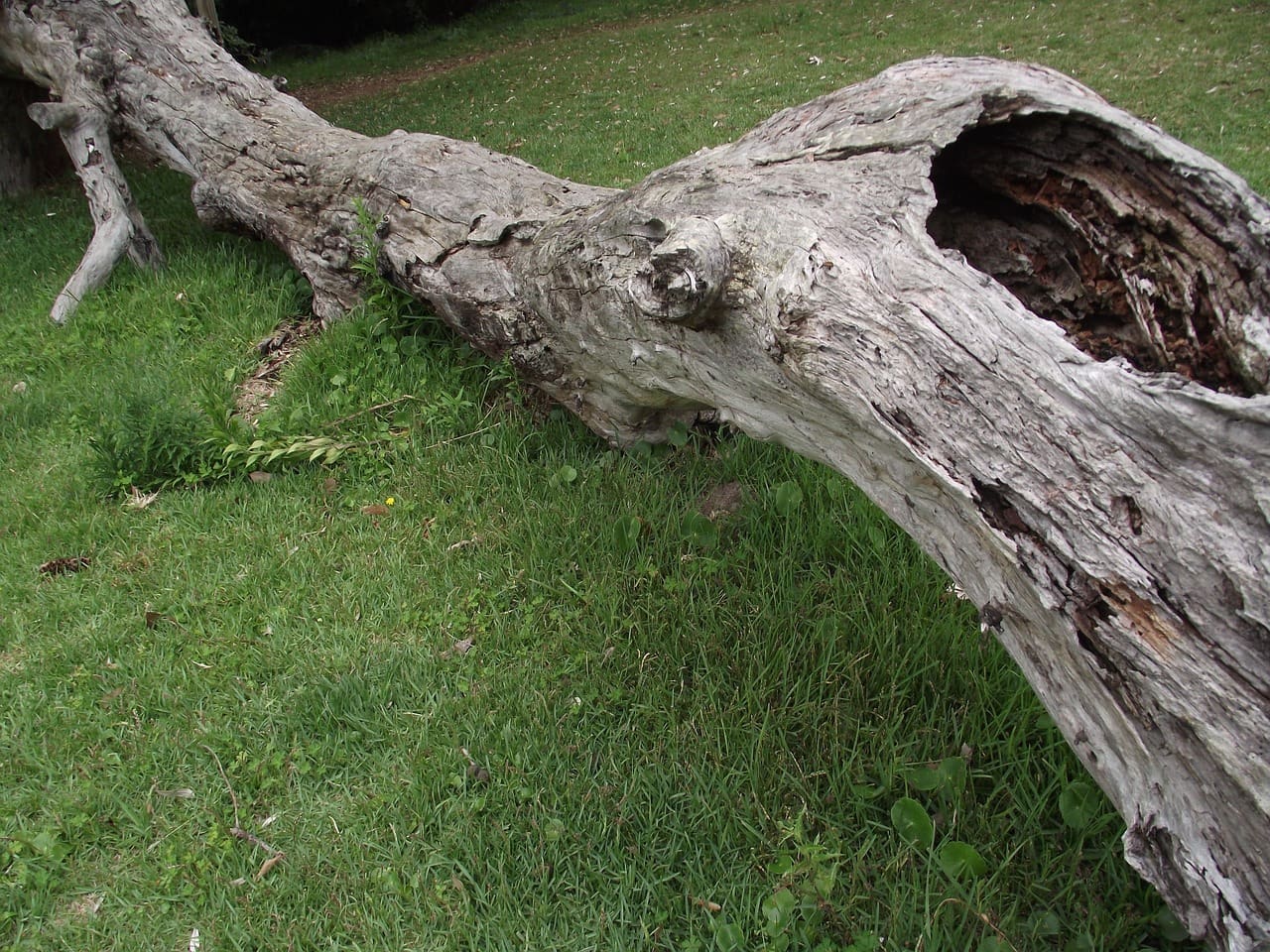
After a wildfire, properties often need restoration to reduce erosion and rebuild safer conditions. Debris removal clears hazardous materials like ash and fallen trees. Soil stabilization through seeding and mulching supports native vegetation recovery. Hazard tree assessments identify unstable remnants for safe removal. These steps restore access and usability while re-establishing defensible space. Erosion control measures are especially important on slopes common in desert areas.
Clearing along roadsides and utility corridors helps reduce fire spread into communities. Low-hanging branches and brush are removed to reduce ladder fuels. This supports safe access for emergency vehicles and helps prevent infrastructure damage. Compliance with public agency standards supports consistent coverage. Properties bordering roads often benefit from these targeted vegetation management efforts.
Schedule your free defensible space assessment today and let our certified team create a fuels reduction plan that strengthens your property against wildfire risk. Contact High Desert Tree Care to get started.